Loading...
Serving Marshall, TX and surrounding areas. (430) 214-0018
Total Marshall Concrete serves Carthage homeowners and businesses with slab foundations, driveways, sidewalks, and retaining walls. We know Panola County clay soil and have worked East Texas conditions since 2015. Every project starts with a free on-site estimate.
New residential and commercial builds in Carthage and the surrounding rural Panola County area need foundations that are designed for the region's expansive clay from the start. A properly built slab foundation includes adequate vapor barrier, compacted gravel base, and control joints that protect the structure through many seasons of East Texas wet-dry cycles.
Much of the housing in Carthage dates to the post-war natural gas boom, and original driveways on those properties have absorbed decades of Panola County clay movement. Replacing an old, cracked driveway with a properly prepared concrete surface stops the cycle and gives you a surface that handles heavy vehicles without flexing.
Rural properties outside Carthage along the farm-to-market roads often have sloped yards and drainage challenges that gravel and dirt simply cannot manage long term. A poured concrete retaining wall holds soil through heavy East Texas rain events without shifting or settling the way older masonry and timber walls do.
Older neighborhoods near Carthage's downtown and the Panola County courthouse have original sidewalks that have heaved and cracked through years of clay soil movement and tree root growth. Replacing them with jointed concrete removes tripping hazards and restores clean, walkable surfaces.
Commercial properties along US 59 and US 79 through Carthage handle regular truck and vehicle traffic that grinds down asphalt surfaces quickly in the Texas heat. A concrete parking lot built to commercial load standards holds up to that traffic and requires far less patch work year over year.
Additions, outbuildings, and large fences throughout Panola County need footings that go deep enough to anchor below the active clay layer. Shallow footings on East Texas soil shift over time and cause walls and structures above them to rack and settle - proper footing depth is not optional in this area.
Carthage grew rapidly during and after the post-World War II natural gas boom that made Panola County one of the most productive gas-producing areas in the country. That growth means a large share of the housing stock is 60 to 80 or more years old - homes built with the materials and base preparation methods of the 1940s and 1950s. Original driveways, sidewalks, and foundation slabs on those properties have absorbed decades of East Texas clay movement without modern control joints or gravel sub-bases. The soil here behaves the same way it does throughout deep East Texas: it swells during wet springs and shrinks in summer heat, and any concrete surface sitting on top of it without proper preparation reflects that stress within a few years.
The climate adds seasonal urgency. Panola County receives substantial annual rainfall concentrated in spring, when thunderstorms can dump heavy rain on already-saturated clay soil, causing surface water to pool near driveways and foundations. Summers push into the 90s with high humidity - conditions that affect how poured concrete cures and how exterior surfaces hold up without sealing and maintenance. Winters are generally mild, but sharp freeze events have cracked exposed concrete and burst outdoor pipes in this area. Properties along the rural farm-to-market roads outside Carthage face additional drainage challenges from long, sloped driveways on large acreage lots where gravel and dirt simply do not hold up through a wet East Texas spring.
Our crew works throughout Carthage regularly, and we understand the local conditions that affect concrete contractor work here. Carthage is the county seat of Panola County - which means the permitting, inspections, and utility coordination for concrete projects run through local city and county offices we work with routinely. The main routes through town are US Highway 59 running north-south and US Highway 79 heading east toward the Louisiana state line, with Loop 436 wrapping the western side of the city. Most residential neighborhoods sit inside that loop or off the farm-to-market roads that branch out into rural Panola County. The Carthage city limits cover about 10.5 square miles, and we serve both in-city and rural county properties.
In town, you will find a mix of mid-century homes near the downtown square and newer construction on the edges. Out along the farm-to-market roads, lots tend to be an acre or more with gravel or dirt drives that homeowners are ready to convert to concrete once they see how much maintenance gravel requires. Community institutions like Panola College - located right next to City Hall - and Carthage ISD are the anchors that keep this a stable, family-oriented community. We also cover neighboring areas within regular driving distance, including Elysian Fields to the north and Henderson to the northwest.
Reach us by phone or the contact form. We respond within 1 business day. Let us know what you need and your address - even a general description helps us show up to the site visit ready to assess the full job.
Before any number is discussed, we visit your Carthage property to look at the site in person. We check soil drainage, existing concrete condition, lot dimensions, and permit needs. You receive a written, itemized estimate - not a rough figure - so you know exactly what you are approving.
After you approve the estimate, we handle demolition of old concrete if needed, grading, sub-base compaction, and formwork. On Panola County clay, this preparation step determines how long the finished surface lasts. We do not skip or rush it.
The pour typically takes one day for standard residential work. We apply curing compound and explain surface care before leaving the site. The finished concrete needs three to seven days before foot traffic and longer before heavy vehicles. We clean up completely and leave the site ready.
We serve all of Carthage and Panola County, including rural properties on the farm-to-market roads. Submit a request and someone from our team will follow up within 1 business day.
(430) 214-0018Carthage is the county seat of Panola County, situated in deep East Texas about 20 miles west of the Louisiana state line. The city has a population of around 6,500 to 7,000 and covers roughly 10.5 square miles. It has a full range of city services - its own water system, utilities, code enforcement, and planning offices - which makes it a genuine small city rather than a rural service community. Most residents are long-term homeowners rather than renters, with property ownership rooted in families that have been in Panola County for generations. The housing stock reflects the town's history: a mix of mid-century homes from the gas boom era near the original downtown and newer construction on the edges toward the surrounding rural county.
Carthage calls itself the "Gas Capital of the United States" for the large natural gas field developed in Panola County after World War II - a history recognized through landmarks like the Texas Country Music Hall of Fame and the Jim Reeves Memorial along US 79 on the east side of town. Panola College, a two-year community college next to City Hall, and Carthage ISD give the community stable institutional anchors that attract and retain families. Neighboring communities we also serve from this area include Elysian Fields to the north along US 59 and Henderson in Rusk County to the northwest.
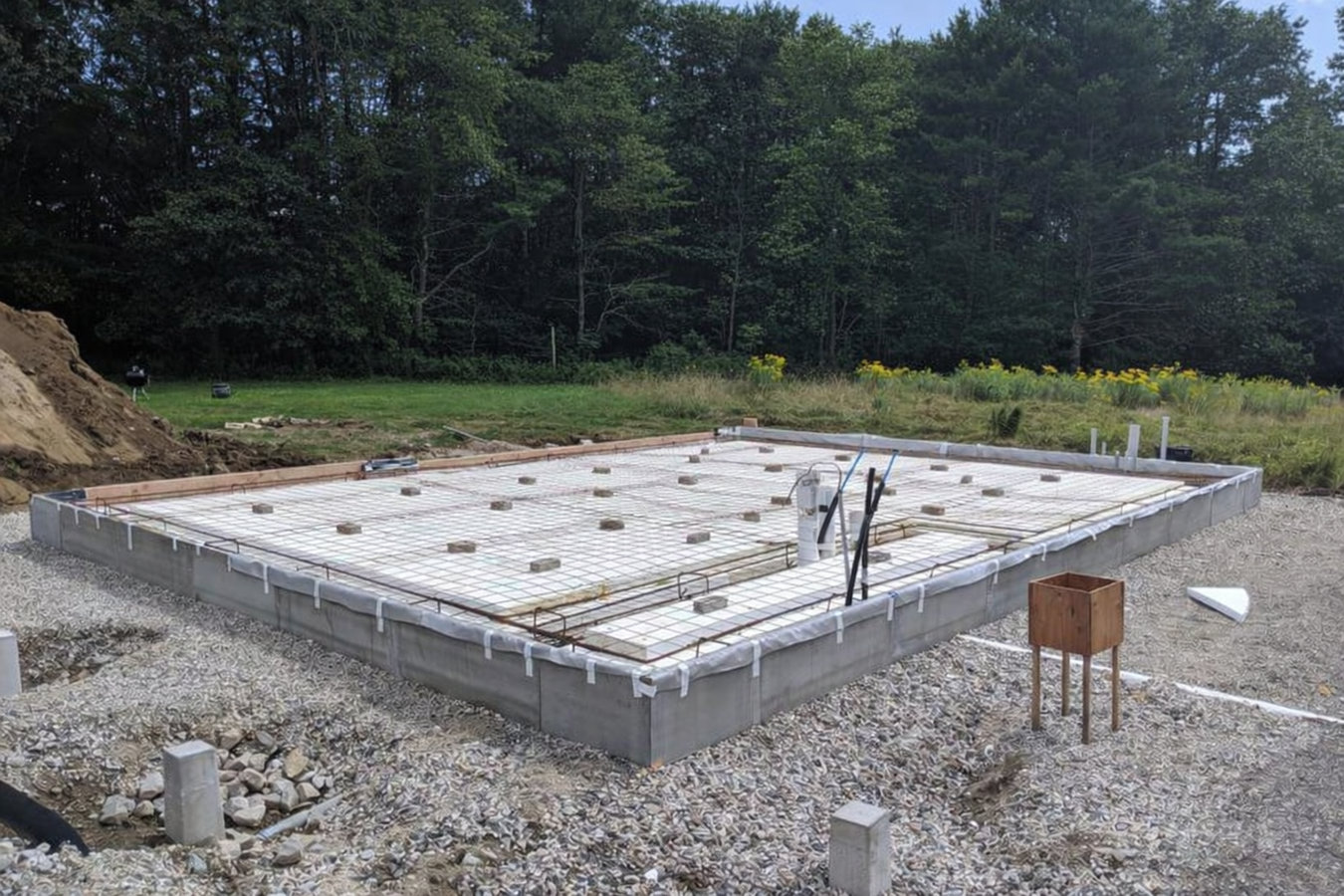
Complete foundation installation for residential and commercial projects.
Learn MoreCommercial parking lots built for heavy traffic and longevity.
Learn MoreContact Total Marshall Concrete today. Free on-site estimates, no obligation - and we are familiar with Panola County conditions, permits, and soil before we ever step on your property.